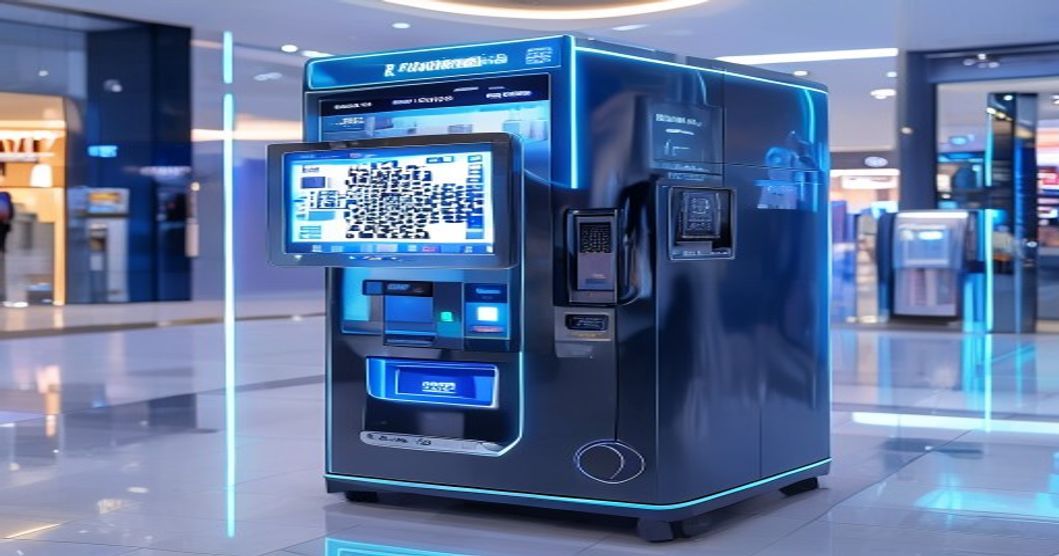
AI vending machines are reshaping the US retail landscape by automating inventory management, enabling dynamic pricing, and delivering predictive sales analytics—helping operators earn 30-40% more per unit compared to traditional machines. Powered by computer vision, IoT sensors, and machine learning, these smart systems reduce stockouts, minimize waste, and adapt to real-time demand across locations from New York to Los Angeles.
Key Takeaways
- AI-powered vending machines increase revenue by 30-40% through dynamic pricing and predictive restocking (Grand View Research, 2024)
- Real-time inventory tracking eliminates stockouts and reduces food waste by up to 25% in hospitality and retail settings
- Computer vision technology identifies product trends and customer preferences to optimize product mix and placement
- US vending operators report 15-20% cost savings via automated route optimization and predictive maintenance alerts
- Cloud-connected platforms enable remote management of multi-location vending networks from a single dashboard
What Is an AI Vending Machine and How Does It Work?
An AI vending machine combines traditional automated retail hardware with intelligent software, sensors, and cloud connectivity to optimize every aspect of vending operations. Unlike conventional machines that simply dispense products, AI vending machines gather real-time data on inventory levels, customer behavior, product performance, and machine health.
These systems use:
- Computer vision cameras to detect which products are sold and track customer dwell time
- IoT sensors to monitor temperature, humidity, and stock levels continuously
- Machine learning algorithms to predict demand patterns and recommend optimal product assortments
- Dynamic pricing engines that adjust prices based on demand, time of day, and location
- Cloud dashboards for remote monitoring and management across multiple locations
KioskX's AI vending platforms, for example, integrate these technologies to help US retailers and hospitality operators manage networks of 5 to 500+ units with minimal manual intervention.
The Business Case: Revenue Growth and Cost Savings
The financial benefits of AI vending machines are compelling for US operators. According to the National Automatic Merchandising Association (NAMA) 2025 Industry Outlook, smart vending technology adoption is accelerating, with operators reporting measurable ROI within 12-18 months.
Revenue Increases:
- Dynamic pricing algorithms increase per-unit revenue by 25-40% by adjusting prices for high-demand items and peak hours
- Predictive restocking ensures popular products are always in stock, reducing lost sales from stockouts
- Computer vision analytics identify which product categories drive the highest margins, enabling data-driven assortment planning
Cost Reductions:
- Automated route optimization cuts restocking labor costs by 15-20% by consolidating stops and predicting when machines need servicing
- Predictive maintenance alerts reduce unplanned downtime and repair costs by catching issues before failures occur
- Inventory waste decreases by 20-25% through accurate demand forecasting, especially critical for perishable items in hospitality venues
How AI Vending Machines Improve Customer Experience
Beyond operator benefits, AI vending machines enhance the end-user experience, driving repeat purchases and brand loyalty.
Key customer-facing features:
- Faster transactions via mobile payment integration, facial recognition age verification, and one-tap checkout
- Personalized recommendations based on purchase history and trending products in the machine's location
- Real-time availability displayed on digital screens, reducing frustration from out-of-stock items
- Contactless interaction reducing touchpoints—a priority for US consumers post-pandemic
McKinsey & Company's research on retail technology confirms that personalization and convenience are now primary drivers of consumer spending in retail environments, and AI vending machines deliver both.
Deployment Strategies for US Operators
Successful AI vending machine deployment requires strategic planning. Here's how leading US operators approach rollouts:
Phase 1: Pilot Program
- Deploy 5-10 units in high-traffic locations (airports, corporate campuses, hospitals) to test performance
- Collect baseline data on sales velocity, customer demographics, and product preferences
- Iterate on product assortment and pricing based on first 30-60 days of data
Phase 2: Network Expansion
- Scale to 20-50 units across complementary locations (e.g., multiple office buildings in a metro area)
- Use cloud dashboard to manage restocking routes and monitor performance across all units
- Implement dynamic pricing based on location-specific demand patterns
Phase 3: Optimization
- Leverage 6-12 months of aggregated data to refine product mix, pricing, and placement strategies
- Integrate with POS systems and loyalty programs for deeper customer insights
- Explore adjacent revenue streams (advertising, data partnerships)
Industry Trends and Market Growth
The US AI vending machine market is expanding rapidly. Grand View Research's 2024 industry analysis projects the global smart vending market will grow at a compound annual growth rate (CAGR) of 12-15% through 2030, with North America representing the largest regional market.
Key drivers:
- Labor shortage pressures making automation increasingly attractive to hospitality and retail operators
- Consumer demand for contactless transactions accelerating adoption of digital payment and AI-driven convenience
- Data-driven decision-making becoming standard in retail, with AI vending providing rich customer and sales intelligence
- Sustainability goals driving interest in machines that reduce waste and optimize logistics
Choosing the Right AI Vending Platform
When evaluating AI vending solutions, US operators should assess:
- Hardware reliability and uptime SLAs (target: 99%+ availability)
- Real-time inventory and sales reporting with mobile and web dashboards
- Integration capabilities with existing POS, accounting, and route management systems
- Predictive analytics accuracy for demand forecasting and dynamic pricing
- Customer support and on-site service availability in your region
- Scalability from 5 to 500+ units without platform degradation
Platforms like KioskX offer white-label AI vending solutions tailored to US retailers, hospitality groups, and multi-location operators, with dedicated support and transparent pricing.
Frequently Asked Questions
Q: How much does an AI vending machine cost?
A: Upfront hardware costs range from $3,500 to $8,000 per unit depending on size and feature set, with software subscriptions typically $150-400/month per machine. Many operators recoup initial investment within 12-18 months through revenue gains and cost savings. KioskX offers flexible financing options and reserve programs starting at $499 deposit.
Q: What products perform best in AI vending machines?
A: High-margin, fast-moving items succeed best: beverages (energy drinks, premium coffee), snacks (nuts, protein bars), and impulse items (candy, gum). Location matters—office buildings favor healthy snacks and coffee; venues near gyms see strong protein product sales. AI analytics identify optimal assortments for each location.
Q: Can I manage multiple AI vending machines remotely?
A: Yes. Cloud-based dashboards let operators monitor inventory, sales, and machine health for entire networks from a single interface. Automated alerts notify you of stockouts, technical issues, or maintenance needs, and route optimization software consolidates restocking stops for efficiency.
Sources
- Grand View Research: Vending Machine Industry Report 2024-2025
- National Automatic Merchandising Association (NAMA) 2025 Industry Outlook
- McKinsey & Company: The Future of Retail Technology
- US Census Bureau: Retail E-Commerce Sales 2024
- IoT Analytics: Smart Vending Market Growth 2025
---
**Ready to transform your vending operations with AI? Reserve an AI-powered kiosk today with a $499 deposit, or book a live demo to see how KioskX can increase your per-unit revenue by 30-40%. Contact our team now.**
Sources5
Ready to put one in your space?
Explore Kiosk configurations, plan your first fill and discuss the right setup for your location.