Buy a Vending Machine in 2026: AI-Powered Smart Kiosks for Retail & Hospitality
If you're ready to buy a vending machine in 2026, you have more options than ever—from traditional snack dispensers to AI-powered smart kiosks that track inventory in real-time and accept contactless payments. The vending machine industry is experiencing rapid digital transformation, with Grand View Research reporting a CAGR of 11.8% through 2030, driven by automation, mobile payment adoption, and demand for unattended retail solutions.
This guide walks you through choosing, purchasing, and deploying the right vending machine for your business—whether you operate a gym, office building, hospitality venue, or retail location.
Key Takeaways
- Investment range: Traditional vending machines cost $1,500–$5,000; AI-powered smart kiosks range from $3,500–$10,000+
- ROI timeline: Operators typically break even in 6–12 months with optimal placement and product selection
- Smart technology advantage: Real-time inventory tracking, dynamic pricing, and cashless payment systems reduce shrinkage and increase transaction frequency by up to 40%
- Location is critical: Secure 3–5 location agreements before purchasing your first machine to minimize risk
- Hybrid models win: Combining snacks, beverages, and specialty items (tech accessories, personal care) maximizes revenue per unit
---
Types of Vending Machines to Buy in 2026
Traditional Snack & Beverage Machines
Standard mechanical or electronic vending machines remain the most affordable entry point. These units dispense packaged snacks, drinks, and candy with coin, bill, or basic card readers.
- Cost: $1,500–$3,500
- Best for: Small businesses, break rooms, gyms, convenience stores
- Pros: Low upfront cost, simple maintenance, proven revenue model
- Cons: Limited data insights, manual restocking, higher cash handling risk
AI-Powered Smart Kiosks
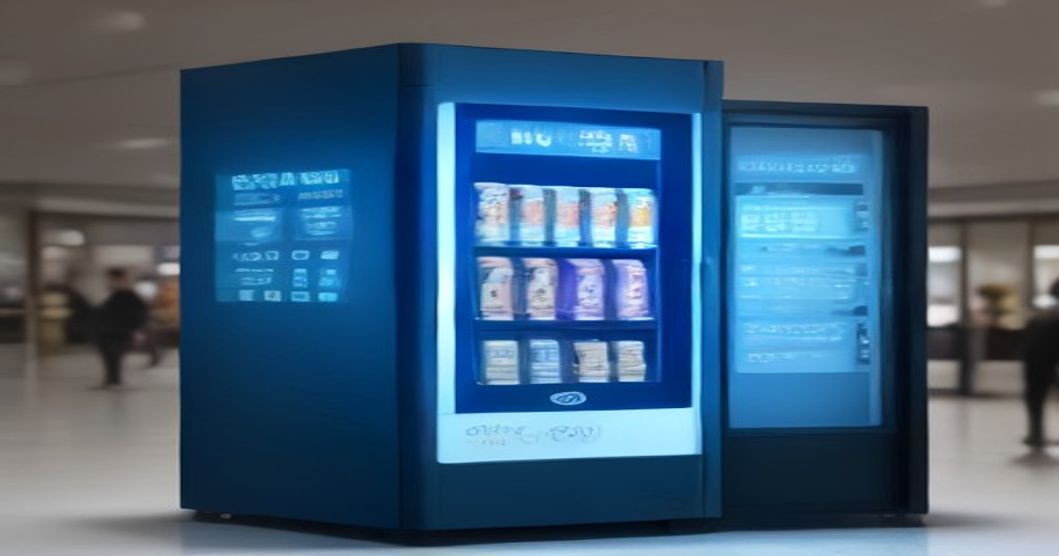
Next-generation vending machines like those from KioskX integrate AI-driven inventory management, real-time sales analytics, mobile payment integration, and dynamic pricing. Smart kiosks can track product-level demand, predict restocking needs, and send alerts directly to operators.
- Cost: $4,000–$10,000+
- Best for: High-traffic retail, hospitality, corporate campuses, multi-unit operators
- Pros: Cloud-based analytics, contactless payments, reduced shrinkage, scalable across locations
- Cons: Higher initial investment, requires reliable internet connectivity
Specialty & Hybrid Machines
Modern operators are deploying combo units that vend multiple categories—snacks, beverages, electronics, personal care items, and even fresh food. According to NAMA's 2024 industry report, specialty vending (coffee, fresh food, tech accessories) is growing 15% faster than traditional snack vending.
---
How Much Does It Cost to Buy a Vending Machine?
Initial Purchase Price
| Machine Type | Price Range | Monthly Revenue Potential | |---|---|---| | Basic snack machine | $1,500–$2,500 | $300–$600 | | Advanced beverage/snack combo | $2,500–$4,500 | $600–$1,200 | | AI smart kiosk (KioskX-class) | $4,000–$8,000 | $1,000–$2,000+ | | Premium multi-category kiosk | $6,000–$10,000+ | $1,500–$3,000+ |
Hidden Costs to Budget
Beyond the machine purchase, factor in:
- Delivery & installation: $200–$500
- Initial inventory: $300–$800
- Maintenance & repair plan: $50–$150/month
- Payment processing fees: 2–3.5% of sales
- Location rental/commission: 10–30% of revenue (varies by agreement)
- Insurance & licensing: $300–$1,000/year
---
Why Buy an AI-Powered Smart Vending Machine?
Real-Time Inventory & Predictive Restocking
Smart kiosks use IoT sensors and machine learning to track every item sold. Instead of guessing when to restock, operators receive automated alerts when stock falls below preset thresholds. This eliminates out-of-stock situations and reduces waste.
Cashless Payment & Reduced Shrinkage
Statista data shows that 78% of U.S. consumers prefer contactless payment methods as of 2024. Smart kiosks support mobile wallets (Apple Pay, Google Pay), credit/debit cards, and QR codes—reducing cash handling, theft, and reconciliation time.
Dynamic Pricing & Revenue Optimization
AI algorithms analyze demand patterns, location foot traffic, and competitor pricing to optimize product prices in real-time. Operators report 15–25% revenue increases by implementing dynamic pricing.
Detailed Sales Analytics
Cloud-based dashboards provide:
- Per-product sales velocity and margin analysis
- Customer demographic insights
- Peak traffic hours and seasonal trends
- Multi-location performance comparison
- Predictive demand forecasting
---
Step-by-Step Guide: How to Buy Your First Vending Machine
1. Validate Your Business Model
Before purchasing, secure 3–5 location agreements in writing. This de-risks your investment and ensures consistent foot traffic.
- Visit high-traffic areas: office parks, gyms, hospitals, universities, retail centers
- Negotiate location terms: commission split, exclusivity, contract length
- Verify foot traffic: aim for 200+ daily visitors minimum
2. Choose Your Machine Type & Supplier
Compare vendors on:
- Machine reliability & warranty (3–5 years preferred)
- Payment system compatibility (EMV, mobile wallets, cryptocurrency)
- Software platform (cloud-based, real-time reporting, API integration)
- Support & maintenance response time
- Scalability (can you grow to 10–50 units?)
3. Plan Your Product Mix
Research your location's demographics and preferences:
- Office buildings: Premium snacks, beverages, energy drinks, healthy options
- Gyms: Protein bars, electrolyte drinks, supplements, fitness trackers
- Hospitals/clinics: Healthy snacks, sugar-free options, medical supplies
- Retail: Impulse items, phone chargers, headphones, personal care
4. Arrange Financing (Optional)
If your upfront capital is limited:
- Equipment leasing: $200–$400/month (spreads cost over 36–60 months)
- SBA microloans: Up to $50,000 through U.S. Small Business Administration
- Vendor financing: Some suppliers offer 0% interest for 12–24 months
5. Purchase, Install & Launch
- Coordinate delivery and placement with location managers
- Stock initial inventory strategically (fast-moving items prominent)
- Test all payment methods and connectivity
- Train location staff on restocking procedures (if applicable)
- Set up cloud analytics dashboard and configure alerts
---
Smart Vending Machine ROI: What to Expect
Operators with optimized placement and product selection typically achieve:
- Break-even: 6–12 months
- Annual net profit per unit: $3,000–$8,000 (after all costs)
- Multi-unit operators: $15,000–$40,000+ annually (5–10 machines)
Harvard Business School research on automated retail (2024) highlights that operators using AI-driven inventory and dynamic pricing outperform traditional vending by 35–50% in revenue and 40% in operational efficiency.
---
KioskX: AI-Powered Smart Vending for 2026
KioskX specializes in cloud-connected smart vending machines designed for U.S. retailers, hospitality operators, and multi-unit businesses. Our AI platform includes:
- Real-time inventory tracking with predictive restocking
- Integrated contactless payments (cards, mobile wallets, QR codes)
- Advanced analytics dashboard with demand forecasting
- Multi-location management for growing operators
- White-label customization for enterprise deployments
Starting at $4,000–$8,000 per unit, KioskX machines deliver 35–50% higher revenue than traditional vending within the first 12 months.
---
Frequently Asked Questions
Q: What's the minimum monthly revenue needed to justify buying a vending machine?
A: Most operators need $400–$600/month in gross sales to cover costs and generate profit. This typically requires 200+ daily foot traffic and strategic product selection. AI-powered machines accelerate this timeline by 2–3 months through optimized pricing and reduced shrinkage.
Q: Can I buy a used vending machine to save money?
A: Yes, but with caution. Used machines cost 40–60% less ($600–$2,000), but may lack modern payment systems, warranty coverage, and cloud connectivity. For first-time buyers, investing in a new smart kiosk ($4,000–$6,000) provides better ROI, reliability, and data insights than a used mechanical machine.
Q: How often do I need to restock and maintain a smart vending machine?
A: Restocking frequency depends on location traffic and machine capacity. High-traffic locations may need weekly restocking; lower-traffic areas, every 2–4 weeks. AI-powered machines send alerts when stock is low, eliminating guesswork. Maintenance is typically quarterly (cleaning, software updates, payment system checks).
---
Sources
- Grand View Research: Vending Machine Market Size, Share & Trends Analysis Report (2023)
- National Automatic Merchandising Association (NAMA) 2024 Industry Report
- U.S. Bureau of Labor Statistics: Retail Trade Employment Trends
- Statista: Vending Machine Revenue & Growth Forecast 2024–2026
- Harvard Business School: Emerging Trends in Automated Retail (2024)
- U.S. Small Business Administration: Microloans & Financing
---
Ready to Buy Your First Smart Vending Machine?
Whether you're launching your first machine or scaling to 50+ units, KioskX provides enterprise-grade AI vending solutions built for U.S. operators. Our smart kiosks integrate real-time inventory, cashless payments, and predictive analytics to maximize revenue and minimize operational overhead.
Reserve your AI-powered smart kiosk today with just a $499 deposit, or book a live demo at kiosk-x.ai/#book to see how smart vending transforms your retail or hospitality business in 2026.
Sources5
- Vending Machine Market Size, Share & Trends Analysis Report by Grand View Research (2023)
- National Automatic Merchandising Association (NAMA) 2024 Industry Report
- U.S. Bureau of Labor Statistics: Retail Trade Employment Trends
- Statista: Vending Machine Revenue & Growth Forecast 2024-2026
- Harvard Business School: Emerging Trends in Automated Retail (2024)
Ready to put one in your space?
Explore Kiosk configurations, plan your first fill and discuss the right setup for your location.