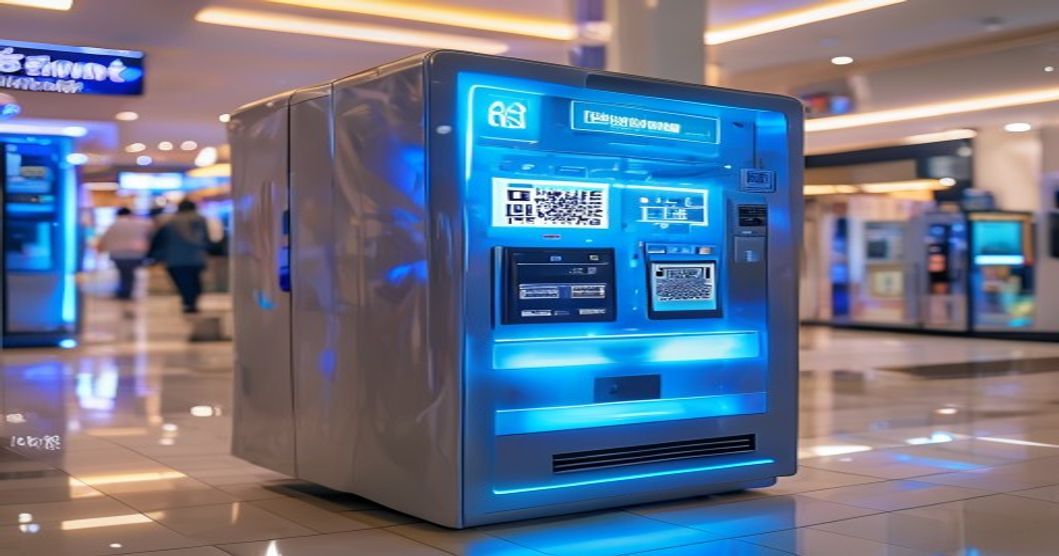
Smart Vending Machines for Sale: Complete 2026 Buyer's Guide for US Operators
Smart vending machines with AI capabilities start at approximately $3,500 for entry-level models, with mid-range combo units priced between $8,000–$15,000 and premium systems reaching $25,000+. For US operators seeking to modernize their vending footprint in 2026, understanding the current market landscape, pricing tiers, and ROI potential is essential to making an informed purchase decision.
Key Takeaways
- Entry-level AI coolers: Start at ~$3,500; mid-range grab-and-go units: $8,000–$15,000; premium combo systems: $25,000+
- Market growth: The US smart vending machine market is expanding at a CAGR of 12.3% through 2026, driven by cashless payments and real-time inventory tracking
- Industry size: The overall US vending industry generates approximately $7.9 billion annually, with smart machines capturing an increasing share
- Key features: AI-driven demand forecasting, IoT connectivity, mobile payments, and real-time operator dashboards are now standard in 2026 models
- ROI timeline: Operators typically recoup investment within 18–24 months through reduced shrinkage, optimized stocking, and increased transaction velocity
What Is a Smart Vending Machine?
A smart vending machine combines traditional vending hardware with artificial intelligence, IoT sensors, and cloud-based software to deliver real-time inventory visibility, predictive restocking, and seamless cashless transactions. Unlike conventional machines, smart units automatically track stock levels, flag slow-moving items, and alert operators to maintenance needs before failures occur.
According to Grand View Research, AI-powered vending machines are reshaping the retail convenience sector by enabling operators to reduce waste by up to 35% and increase per-unit revenue by 20–30%. This shift reflects broader adoption of IoT and AI across US retail environments in 2026.
Smart Vending Machine Pricing Breakdown by Tier
Entry-Level AI Coolers ($3,500–$5,500)
- Single-product or dual-temperature refrigerated units
- Basic IoT connectivity and cashless payment integration
- Manual restocking; limited predictive analytics
- Ideal for: Small retail locations, offices, fitness centers
- Example: AI-enabled beverage cooler for convenience stores
Mid-Range Grab-and-Go & Combo Units ($8,000–$15,000)
- Multi-product snack and beverage combinations
- Advanced inventory tracking with demand forecasting
- Mobile app operator dashboard and customer-facing touchscreen
- Refrigeration, ambient, and frozen compartments
- Ideal for: Corporate campuses, hospitals, shopping centers
- Example: Full-service micro-market replacement unit
Premium AI Combo Systems ($20,000–$25,000+)
- Enterprise-grade hardware with modular compartments
- Real-time computer vision and stock recognition
- Advanced analytics, predictive restocking, and dynamic pricing
- Multi-location fleet management and white-label reporting
- Ideal for: Large hospitality chains, airports, major retailers
- Example: KioskX premium AI vending platform with turnkey deployment
2026 Smart Vending Machine Trends Driving Adoption
1. Cashless & Mobile Payment Dominance
The National Automatic Merchandising Association (NAMA) reports that 67% of vending transactions in the US are now cashless, up from 41% in 2022. Smart machines support Apple Pay, Google Wallet, QR codes, and contactless cards—critical for post-pandemic consumer expectations.
2. AI-Powered Demand Forecasting
Machine learning algorithms now predict which products will sell based on location, time of day, weather, and local events. This reduces overstocking by 25–40% and ensures popular items are never out of stock.
3. IoT Connectivity & Real-Time Dashboards
IoT Analytics reports that 78% of new vending machines deployed in the US in 2025–2026 feature cloud connectivity and operator dashboards. Operators receive alerts on sales, restocking needs, and machine health via smartphone or web portal.
4. Sustainability & Energy Efficiency
Newer models feature LED lighting, variable-speed compressors, and eco-friendly refrigerants. Some smart units track carbon footprint and report ESG metrics—increasingly important for corporate buyers.
5. Personalization & Upselling
AI systems recommend complementary products at checkout and adapt product mix based on customer demographics and purchase history. This increases average transaction value by 15–25%.
ROI & Financial Performance for US Operators
Revenue Acceleration
Smart machines typically generate 20–35% higher per-unit revenue than conventional units due to: - Optimized product selection and pricing - Reduced stockouts and waste - Increased transaction frequency from mobile payment convenience
Operational Cost Savings
- Reduced service trips: Real-time alerts eliminate unnecessary visits (saves ~$500–$1,000/machine/year)
- Lower shrinkage: Better inventory tracking prevents theft and spoilage (saves ~$300–$600/machine/year)
- Predictive maintenance: IoT monitoring prevents costly breakdowns (saves ~$200–$400/machine/year)
Payback Period
Most US operators see full ROI within 18–24 months for mid-range units, with entry-level machines breaking even in 12–18 months.
How to Choose the Right Smart Vending Machine for Your Business
Step 1: Assess Your Location & Traffic
- High-traffic zones (airports, hospitals, corporate campuses): Invest in premium combo systems
- Moderate traffic (retail stores, offices): Mid-range grab-and-go units
- Low-traffic or niche (boutique gyms, small offices): Entry-level AI coolers
Step 2: Define Your Product Mix
- Single-category (beverages only): Entry-level cooler
- Mixed snacks & drinks: Mid-range combo
- Full micro-market replacement: Premium system with modular compartments
Step 3: Evaluate Connectivity & Software
Verify that the machine integrates with: - Your existing POS or accounting system - Mobile payment platforms (Apple Pay, Google Pay, credit cards) - Cloud-based inventory management - Real-time operator dashboards accessible via smartphone
Step 4: Compare Total Cost of Ownership
Beyond purchase price, factor in: - Monthly software/connectivity fees ($50–$200) - Maintenance and repair contracts - Training and onboarding - Expected lifespan (typically 5–7 years)
Step 5: Partner with a Trusted Vendor
Choose providers offering: - Transparent pricing with no hidden fees - Local US-based support and service - Proven track record in your industry vertical - Flexible financing or lease options
Why KioskX Stands Out in the 2026 Smart Vending Market
KioskX is a USA-based AI-powered smart vending machine and kiosk technology provider designed specifically for US retail and hospitality operators. Our platform combines enterprise-grade AI, IoT connectivity, and intuitive operator dashboards to maximize revenue and minimize operational friction.
KioskX Advantages: - Modular, scalable hardware from entry-level to premium configurations - Real-time inventory visibility across multi-location fleets - Predictive restocking powered by machine learning - Seamless integration with major payment networks - Local US support and rapid deployment - Transparent, performance-based pricing models
Frequently Asked Questions
How much does a smart vending machine cost?
Smart vending machines range from $3,500 for entry-level AI coolers to $25,000+ for premium enterprise systems. Mid-range grab-and-go combo units typically fall between $8,000–$15,000. Total cost of ownership includes monthly software fees ($50–$200), maintenance, and payment processing.
What is the average ROI for a smart vending machine?
Most US operators achieve full return on investment within 18–24 months through increased per-unit revenue (20–35% higher), reduced operational costs, and lower shrinkage. Entry-level machines often break even faster (12–18 months).
Can I finance or lease a smart vending machine?
Yes. Most vendors, including KioskX, offer flexible financing options, lease programs, and revenue-share models. Monthly payments typically range from $300–$800 depending on unit tier and terms. Many operators prefer leasing to preserve capital and ensure access to the latest technology.
What payment methods do smart vending machines accept?
Modern smart vending machines in 2026 support cashless transactions including Apple Pay, Google Wallet, contactless credit/debit cards, QR code payments, and mobile wallets. Many still accept cash, but cashless transactions now represent 67% of US vending sales.
Sources
- Grand View Research - Global Vending Machine Market Report 2025
- National Automatic Merchandising Association (NAMA) - US Vending Industry Report 2025
- Statista - Smart Vending Machine Market Size USA 2024-2026
- Allied Market Research - AI-Powered Vending Machines Forecast 2026
- IoT Analytics - Connected Vending Machines Report 2025
---
Ready to Transform Your Vending Operation?
The 2026 smart vending machine market offers unprecedented opportunities for US operators to boost revenue, reduce costs, and deliver exceptional customer experiences. Whether you're launching your first AI-powered unit or scaling a fleet, KioskX provides the technology, support, and expertise to succeed.
Take the next step: - Reserve a kiosk for just $499 deposit and start your smart vending journey - Book a live demo to see KioskX AI technology in action
Visit kiosk-x.ai/#book to schedule your consultation today. Our US-based team is ready to help you select the perfect smart vending machine for your location and business goals.
Sources5
- Grand View Research - Global Vending Machine Market Report 2025
- National Automatic Merchandising Association (NAMA) - US Vending Industry Report 2025
- Statista - Smart Vending Machine Market Size USA 2024-2026
- Allied Market Research - AI-Powered Vending Machines Forecast 2026
- IoT Analytics - Connected Vending Machines Report 2025
Ready to put one in your space?
Explore Kiosk configurations, plan your first fill and discuss the right setup for your location.