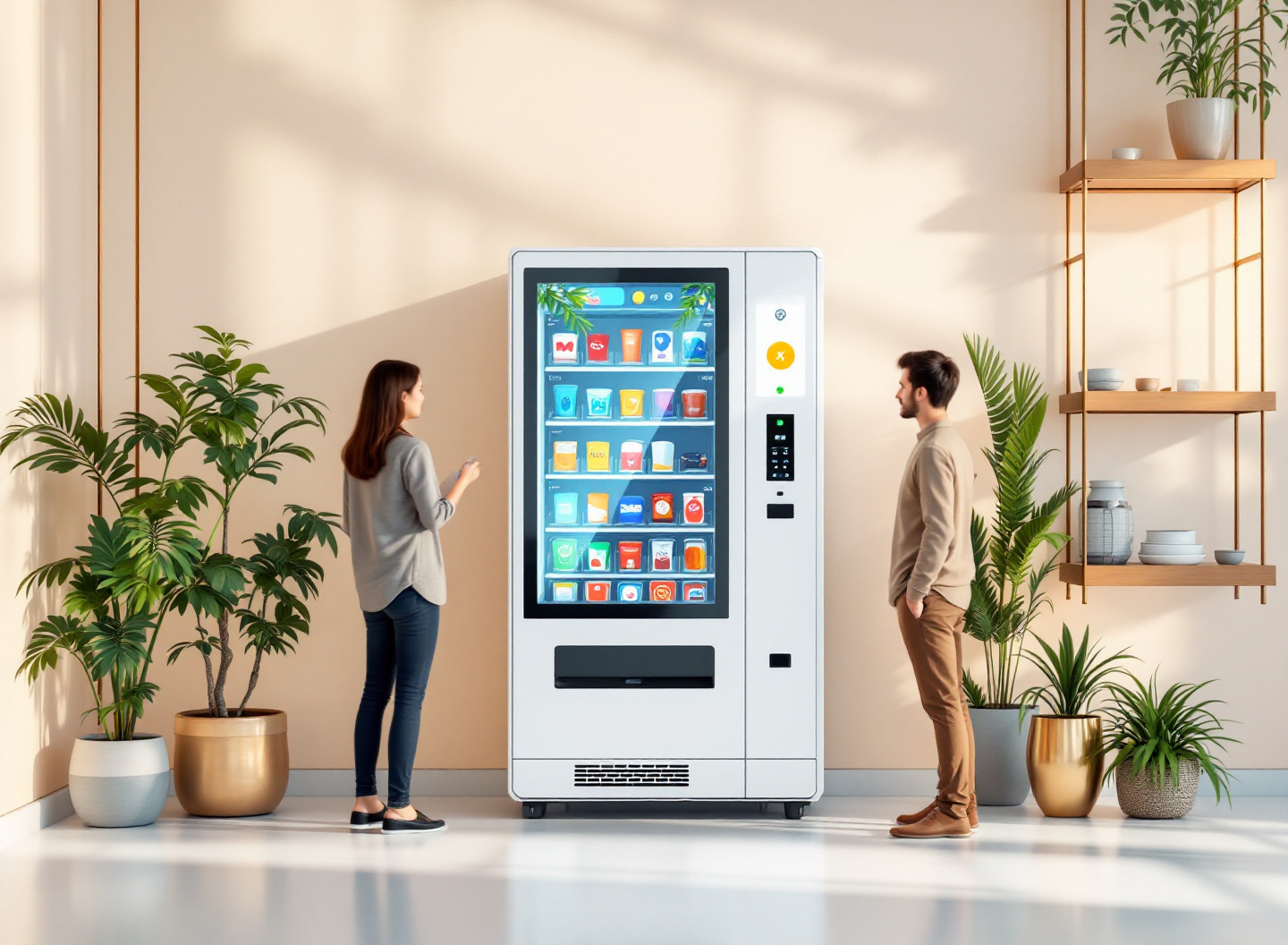
Buying a vending machine online has become faster and more transparent than ever, with dozens of platforms offering new and used units directly to US entrepreneurs. Whether you're looking to start a vending machine business or expand an existing operation, this guide walks you through real pricing, legitimate placement strategies, and the operational realities you need to know before investing.
In 2026, the vending machine market offers more choice and flexibility than previous years. You can compare models, read verified reviews, and purchase equipment without visiting a showroom. However, success depends less on the machine itself and more on location selection, inventory management, and realistic expectations about returns on investment.
What Is a Snack Vending Machine?
A snack vending machine is a self-service kiosk that dispenses packaged food items, candy, chips, and other shelf-stable snacks in exchange for cash or card payment. These machines range from compact 20-unit models to large 40+ item units and typically operate 24/7 in high-traffic locations.
Modern snack vending machines now include cashless payment options, real-time inventory tracking via mobile apps, and energy-efficient LED lighting. Unlike traditional coin-only machines, today's units accept credit cards, mobile payments, and often connect to cloud-based management platforms that help operators monitor sales and stock levels remotely.
Key Takeaway: A snack vending machine is a self-service retail device that requires minimal active management but depends entirely on strategic placement and regular restocking for profitability.
Buy New Used Vending Machines for Sale: Where to Start
The first step in buying new or used vending machines is identifying reputable sellers and marketplaces. Major platforms include Alibaba, eBay, Facebook Marketplace, and specialized vending equipment distributors. Each channel has different buyer protections, pricing structures, and warranty options.
New machines typically cost between $2,500 and $8,000 depending on capacity and features, while used units range from $800 to $4,000. Before committing to any purchase, verify the seller's business registration, read independent reviews, and confirm what warranty or support is included. Many legitimate distributors offer 12-month warranties and technical support as standard.
Key Takeaway: Start your search on established marketplaces with buyer protection policies, compare at least three sellers, and always verify warranty coverage before purchasing.
Buy Vending Machines Online: Your Options and Process
Buying vending machines online involves several key steps: researching machine types, comparing prices across platforms, verifying seller credentials, and arranging logistics. Most online sellers ship directly to your location or offer local pickup options in major US cities.
The typical online purchase process takes 2 to 4 weeks from order to delivery. Reputable sellers provide detailed product specifications, photos from multiple angles, and customer testimonials. Before finalizing your purchase, confirm shipping costs, delivery timelines, and whether the machine arrives pre-tested and ready to stock. Many operators overlook hidden costs like delivery fees, which can add 10 to 20 percent to the machine's base price.
After delivery, inspect the unit for damage, test all payment systems, and verify that all components match the product listing. Document any discrepancies with photos and contact the seller immediately if issues arise.
Key Takeaway: Budget for delivery costs, allow 2 to 4 weeks for fulfillment, and inspect every unit upon arrival before stocking or deploying it to a location.
Buy a Drink, Snack, or Combo Vending Machine: Understanding the Categories
Vending machines fall into three main categories: drink (beverage) only, snack only, and combo units that dispense both. Each serves different customer needs and location types.
- Drink Vending Machines: Focus on cold beverages, typically hold 200 to 400 cans or bottles, and work well in offices, gyms, and outdoor spaces.
- Snack Vending Machines: Dispense packaged food items and candy, usually hold 20 to 40 different products, and perform well in retail environments and break rooms.
- Combo Vending Machines: Combine snack and drink dispensing in one unit, maximize revenue per location, but require more space and higher upfront investment (typically $4,000 to $8,000).
Combo vending machines generate higher average transaction values and appeal to customers seeking one-stop convenience. However, they require larger placement spaces and more frequent restocking. Snack-only machines are easier to stock and maintain, while drink machines offer faster inventory turnover in warm climates.
Key Takeaway: Choose combo vending machines for high-traffic locations where you can justify the larger footprint; select snack or drink only machines for specialized locations with specific customer demand.
Top 5 Vending Machines You Should Buy Today and Why
When evaluating which vending machines to buy, look for models that balance durability, ease of maintenance, and modern payment capabilities. Here are five categories of machines worth considering in 2026:
- Compact Snack Machines (20-unit models): Ideal for small offices and retail spaces; lower upfront cost ($2,500 to $3,500); easy to maintain and restock.
- Standard Combo Units (40-item capacity): Best for high-traffic locations; balanced revenue potential; moderate space requirements.
- Premium Coolers with AI Integration: Advanced inventory tracking and real-time sales analytics; higher cost but better long-term data for route optimization.
- Used Refurbished Machines: Cost-effective entry point ($800 to $2,000); fully tested and warranted; ideal for testing locations before expanding.
- Outdoor-Rated Machines: Weather-sealed cabinets for parking lots and outdoor events; higher durability; premium pricing ($4,000 to $6,000).
The best machine for your business depends on your location type, customer demographics, and budget. Operators starting their first vending machine business often find success with used refurbished units in proven locations before scaling to new machines.
Key Takeaway: Match machine type to location demand; consider starting with a used, refurbished unit to test your market before investing in new premium equipment.
Vending Machine Price: What to Expect in 2026
Vending machine pricing in 2026 ranges widely based on machine type, features, and whether you buy new or used. Here's a realistic breakdown of current market prices:
Beyond the machine purchase, budget for delivery ($200 to $500), initial inventory ($300 to $800), and maintenance supplies ($100 to $200 annually). Many first-time buyers underestimate these secondary costs, which can add 15 to 25 percent to total startup investment.
Prices have remained relatively stable in 2026 compared to 2025, though machines with cashless payment and remote monitoring capabilities command premium pricing. Used refurbished machines offer the best value for operators testing new locations or starting their first business.
Key Takeaway: Budget $3,000 to $7,000 for a new machine plus $1,000 to $1,500 in ancillary costs; used machines offer 40 to 60 percent savings if purchased from reputable sellers.
Where Can You Place a Snack Vending Machine?
Successful vending machine placement depends on foot traffic, customer demographics, and location owner agreements. High-performing locations typically see 50 to 200 transactions per week.
- Offices and Corporate Campuses: Consistent daytime traffic, professional clientele, negotiated revenue share agreements (typically 20 to 30 percent).
- Retail Stores: Complementary to store operations, high visibility, shared foot traffic; smaller commission (10 to 20 percent).
- Gyms and Fitness Centers: Health-conscious customers, predictable traffic patterns, premium product pricing opportunities.
- Schools and Universities: High-volume locations but often require compliance with nutritional standards and revenue-sharing models.
- Parking Lots and Outdoor Events: Seasonal variability, weather risk, but high transaction volume during peak times.
Before placing a machine, secure a written location agreement specifying commission rates, maintenance responsibilities, and termination terms. Many operators spend weeks scouting locations but fail to document placement terms in writing, leading to disputes later.
Key Takeaway: Prioritize locations with 50+ weekly transactions, secure written placement agreements, and negotiate commission rates below 30 percent to maintain profitability.
How to Choose the Right Snack Machine for Your Business
Selecting the right snack machine requires evaluating five key factors: location type, customer demographics, available space, budget, and your operational capacity. A machine that works perfectly in a corporate office may fail in a retail environment.
Start by assessing your location's foot traffic and customer preferences. If your location attracts health-conscious customers, invest in a machine with refrigeration and organic snack options. For high-volume locations with diverse customers, a standard combo machine maximizes revenue. Consider your restocking frequency and inventory management skills, as machines requiring daily restocking demand more operational involvement than weekly-service models.
Test your location hypothesis with a used machine before upgrading to a new premium unit. Many successful operators start with a $1,500 used machine, validate the location's sales potential, and then invest in a $5,000 premium machine once they've proven demand.
Key Takeaway: Match machine type to location demand and customer preferences; test with a used machine before committing to premium new equipment.
Vending Machine Operations: Getting Started with Your First Unit
Operating a vending machine successfully involves inventory management, cash handling, maintenance, and customer service. Most operators spend 2 to 4 hours per week on a single machine once it's established.
Your first operational tasks include stocking the machine with products that match customer preferences, setting prices competitively (typically 50 to 100 percent markup on cost), and establishing a restocking schedule. Monitor sales weekly to identify top-performing products and adjust inventory accordingly. Set aside 10 to 15 percent of revenue for maintenance, repairs, and unexpected downtime.
Modern vending operations benefit from cloud-based inventory and sales tracking platforms that notify you when stock is low or when a machine requires service. These systems reduce guesswork and help you optimize product mix based on real sales data rather than assumptions.
Key Takeaway: Invest 2 to 4 hours weekly per machine; use inventory tracking tools; set aside 10 to 15 percent of revenue for maintenance and contingencies.
Ready to Get Started? Next Steps
If you're ready to buy a vending machine online, follow this action plan:
- Identify 2 to 3 high-traffic locations where you have placement permission.
- Research machine types that match each location's customer profile and space constraints.
- Compare prices across at least three reputable sellers on established marketplaces.
- Verify seller credentials, warranty coverage, and shipping costs before purchasing.
- Budget for delivery, initial inventory, and maintenance supplies in your total investment calculation.
- Secure written location agreements specifying commission rates and service terms.
- Start with a used refurbished machine to test your location before scaling to premium new units.
- Set up inventory tracking and sales monitoring from day one to optimize performance.
For transparent guidance on vending machine selection and operational strategies, visit KioskX to explore live product information and business insights tailored to US entrepreneurs. The vending machine business rewards patience, location selection, and consistent execution, not quick profits or unrealistic income promises.
Frequently Asked Questions
What are good vending machine brands to buy?
Established brands like Selecta, Vendo, and Crane offer reliability and parts availability. However, many successful operators use lesser-known brands available through online marketplaces at lower prices. Prioritize machines with modern payment systems, good reviews from verified buyers, and readily available replacement parts over brand recognition alone.
How much can I earn from a vending machine?
Earnings vary widely based on location, machine type, and product selection. High-performing machines in busy locations may generate $200 to $400 monthly in gross revenue, while average machines produce $50 to $150 monthly. After accounting for product costs (typically 40 to 50 percent of revenue), location commissions (10 to 30 percent), and maintenance, net profit typically ranges from $20 to $100 monthly per machine. These figures depend entirely on location quality and operational discipline.
Should I buy a new or used vending machine?
New machines offer longer lifespans and warranty coverage but cost 3 to 4 times more than used units. Used refurbished machines from reputable sellers provide excellent value for testing locations and starting your first business. Many operators buy used machines initially, validate their location's sales potential, and then upgrade to new premium machines once they've proven demand.
What permits or licenses do I need to operate a vending machine?
Permit requirements vary by state and locality. Most jurisdictions require a business license, sales tax permit, and health department approval for food service. Contact your local health department and business licensing office to confirm requirements for your specific area before purchasing equipment.
Where should I buy vending machines online?
Reputable online marketplaces include Alibaba, eBay, Facebook Marketplace, and specialized vending equipment distributors. Choose sellers with verified business registration, positive customer reviews, clear warranty policies, and responsive customer service. Avoid sellers making unrealistic income promises or offering unusually low prices without clear justification.
Conclusion
Buying and operating a vending machine online in 2026 is more accessible than ever, but success depends on realistic expectations, strategic location selection, and disciplined operations. The vending machine business rewards entrepreneurs who prioritize location quality over machine features and who view their first machine as a test of their operational capabilities rather than a guaranteed income source.
Start by identifying proven high-traffic locations, research machines that match your location's customer profile, compare prices across established online platforms, and begin with a used refurbished unit to validate your market. As you gain operational experience and prove your location's sales potential, you can scale to additional machines and premium new equipment.
The path to vending machine business success is measured in months and years of consistent execution, not weeks of quick profits. By following this practical guide and maintaining realistic expectations, you can build a sustainable income stream from strategic vending machine placement and professional operations. For detailed product information and operational insights, explore KioskX resources to stay informed as the vending and retail technology landscape evolves.