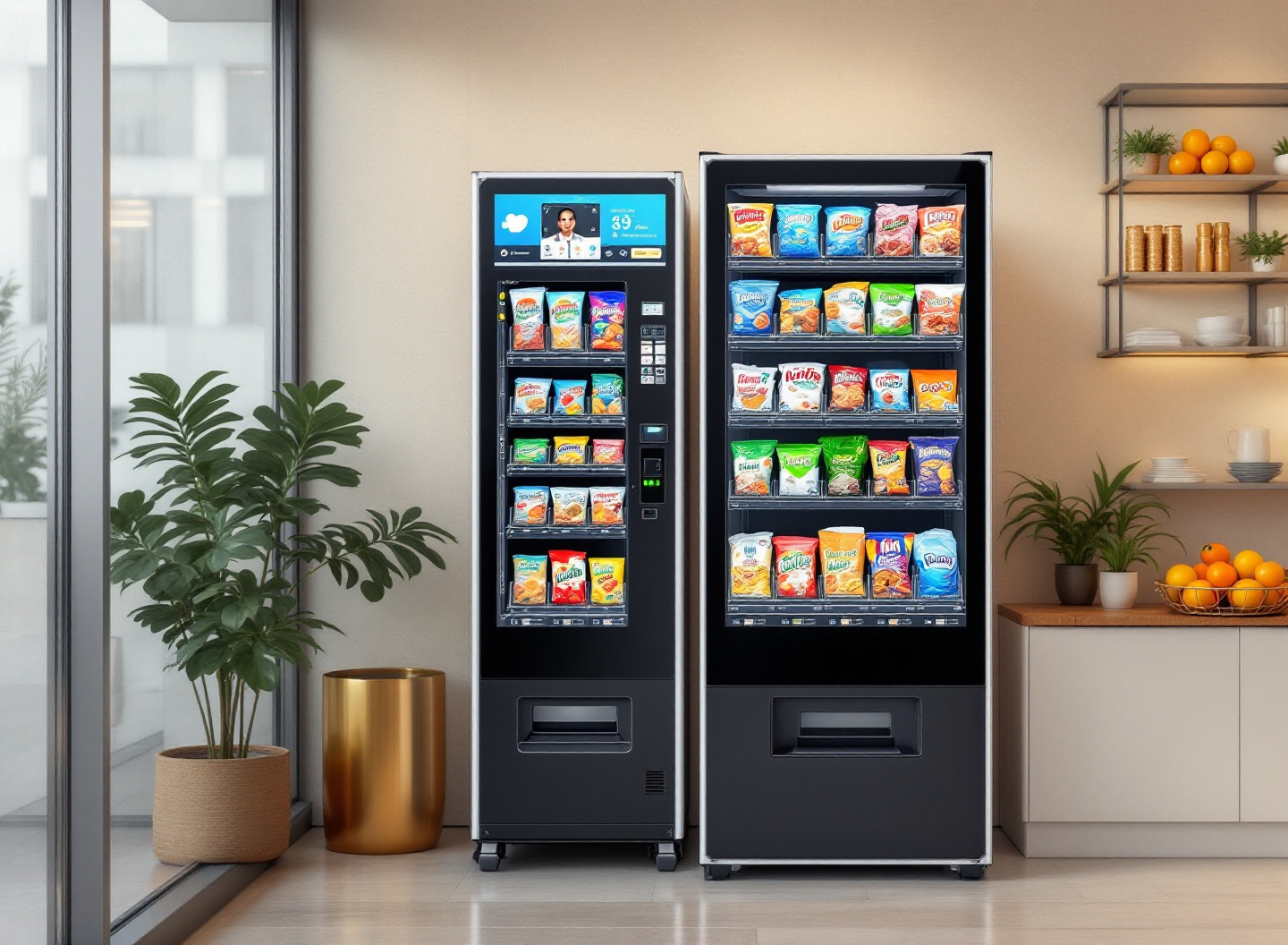
A used snack vending machine for sale is a pre-owned automated retail unit designed to dispense packaged snacks, candy and chips. This guide helps buyers compare used equipment, inspect its condition and plan the work of operating it.
Whether you're exploring your first vending venture or expanding an existing route, this guide walks you through sourcing, evaluating, placing and maintaining used snack vending machines across real US locations. We'll cover pricing tiers, brand comparisons, red flags to avoid and actionable placement strategies so you can make a confident, informed purchase.
What Is a Used Snack Vending Machine?
A used snack vending machine is a pre-owned, coin-operated or card-enabled cabinet that holds and dispenses individual snack items such as chips, candy, granola bars and nuts. These machines are typically 36 to 48 inches tall, weigh between 400 and 800 pounds and feature mechanical or electronic selection and payment systems.
Used snack vending machines differ from new units primarily in operational history and cosmetic wear. A machine may be classified as "used" after serving one or more locations, while a "refurbished" machine has been restored to near-new condition with replaced parts, new decals and full testing. Both categories offer significant cost savings compared to purchasing a brand-new unit directly from manufacturers.
The typical used snack vending machine includes coin mechanisms, bill acceptors (on modern models), product shelves, a cash box and an exterior cabinet. Some machines include telemetry systems that report inventory and sales remotely, while older models require manual restocking and cash collection.
Key Takeaway: Used snack vending machines are affordable, proven revenue generators for entrepreneurs entering the vending industry in 2026, with entry prices starting well below new equipment costs.
How Does a Used Snack Vending Machine Work?
A used snack vending machine operates through a straightforward mechanical or digital transaction cycle. A customer inserts cash or scans a card, selects a product using a keypad or button and the machine's motor mechanism pushes the selected item forward and down into the retrieval bin.
Payment acceptance varies by machine age and model. Older machines accept coins only; mid-range used models include bill validators; modern used units support mobile payments and card readers. The cash box collects coins and bills separately and a digital display (on newer machines) shows inventory and sales data. Operators collect revenue during scheduled restocking visits, typically weekly or bi-weekly depending on location traffic.
Maintenance cycles include clearing jams, restocking depleted shelves, cleaning glass fronts and emptying cash boxes. Most used machines require minimal technical skill to operate, making them accessible to first-time vending entrepreneurs.
Key Takeaway: Used snack vending machines operate on simple mechanical principles, requiring only basic restocking and cash collection skills, which keeps operational overhead low.
Why Choose Used Snack Vending Machines Over New?
Buying used can lower the equipment purchase cost. Compare the asking price with the cost of repairs, delivery and payment-system compatibility before deciding whether a particular machine offers value.
Proven reliability is a second key benefit. Used machines with established track records demonstrate real-world durability and customer acceptance. You avoid the risk of unproven new technology or design flaws. Refurbished machines combine this proven reliability with refreshed components, offering a middle ground between lowest cost and newest equipment.
Flexibility and inventory diversity represent a third advantage. The used market offers a wide range of brands, models and feature sets. You can purchase multiple machines at different price points, test different locations and scale your operation incrementally without major capital outlay. This modular approach suits small business owners who want to validate the vending model before scaling.
Key Takeaway: Compare total setup costs and documented condition, not just the used-machine asking price.
Types of Used Vending Machines for Sale: Snack, Combo and Beverage
The used vending machine market includes three primary categories, each serving different location types and revenue models.
- Snack-Only Machines: Dedicated to chips, candy, granola bars and similar packaged items. These are the most affordable entry point and ideal for offices, gyms and waiting rooms where beverage access is already available.
- Combo Machines: Combine snack and beverage dispensing in one cabinet, typically with two sections or dual-door designs. Combo vending machines for sale command higher prices but generate more revenue per location by serving multiple need states.
- Beverage-Only Machines: Dispense canned or bottled drinks, cold or ambient temperature. Used soda vending machines for sale often feature refrigeration, which increases power consumption and maintenance complexity compared to snack-only units.
For beginners, snack-only machines offer the lowest cost, simplest maintenance and fastest learning curve. Combo and beverage machines suit operators with established locations or higher foot traffic where dual revenue streams justify the added complexity.
Key Takeaway: Choose snack-only machines for cost-effective entry, combo machines for multi-revenue locations and beverage machines for high-traffic areas with premium pricing potential.
Popular Used Vending Machine Models and Brands
Do not identify a machine from a seller’s abbreviated listing alone. Read the manufacturer and model from its identification plate, then match that information to the manufacturer’s manual. Confirm whether it dispenses snacks, beverages or both before considering it for your location.
Vendo, National and Automatic Products are other established brands with strong used market presence. These manufacturers built machines designed for longevity, which is why 10 to 20-year-old units remain functional and sought-after on resale platforms.
When evaluating used models, prioritize brands with active parts suppliers and online documentation. Machines from defunct manufacturers may become expensive to repair if key components fail. Check whether replacement coin mechanisms, bill validators and door locks are readily available before purchasing an unfamiliar brand.
Key Takeaway: Stick with established brands like Dixie Narco, Vendo and National when buying used vending machines; they offer parts availability, repair documentation and proven durability.
Where to Find Used Snack Vending Machines for Sale
Used snack vending machines for sale are available through multiple channels, each with distinct advantages and trade-offs.
- Online Marketplaces: Facebook Marketplace, Craigslist and eBay list local and shipped options. Prices vary widely; inspect machines in person before purchasing to verify condition.
- Vending Distributors and Brokers: Companies specializing in refurbished and used vending machines offer quality guarantees, warranties and tested inventory. Prices are higher than peer-to-peer sales but include accountability.
- Liquidation Auctions: Business closeouts and equipment auctions often feature vending machines at steep discounts. Inspection time is limited and "as-is" sales mean no recourse for defects.
- Direct from Operators: Vending business owners exiting the industry may sell machines directly. These sellers often provide operational history and honest condition assessments.
- Vending Machines for Sale Near Me: Local newspaper classifieds and regional vending associations post machines available in your area, reducing shipping costs.
For first-time buyers, refurbished used vending machines for sale from established distributors offer the best balance of price, reliability and recourse. Direct peer sales offer lower prices but require more due diligence and inspection expertise.
Key Takeaway: Use online marketplaces for bargains, distributors for peace of mind and local channels to avoid shipping costs; match your sourcing strategy to your risk tolerance and inspection skills.
How to Evaluate a Used Snack Vending Machine Before Buying
A thorough inspection prevents costly post-purchase surprises. Start by testing all mechanical functions: insert coins or cards, select multiple items from different rows and verify that products dispense reliably. Listen for unusual grinding or motor sounds. Check that the door locks securely and that the cash box opens and closes smoothly.
Inspect the exterior for rust, dents and cracks in the cabinet and glass. Minor cosmetic wear is normal; structural damage to the cabinet or glass compromises both appearance and security. Verify that all shelves are intact and that the internal lighting works (if equipped). Request the machine's service history and ask whether it has been recently serviced or if any components have been replaced.
For machines with payment systems, test both coin and bill acceptance (if applicable). Ask about the last time the mechanism was cleaned or calibrated. Modern machines with telemetry should sync with the operator's app or software. Request documentation of the machine's age, previous locations and any known issues.
If purchasing remotely, ask the seller for detailed photos of the interior, exterior and payment mechanisms. Video calls showing the machine in operation provide additional confidence. Never purchase sight-unseen without a return clause or escrow protection.
Key Takeaway: Test all functions, inspect for structural damage, verify service history and demand documentation or video evidence before committing to a purchase.
Pricing: Used Snack Vending Machines for Sale Under $500 to Premium
The price ranges below are the same planning ranges listed in this guide’s FAQ. They are not seller quotes or a verified market survey. Confirm current asking prices and what each seller includes.
| Condition | Price range in this guide |
|---|---|
| Older machines with cosmetic wear | $400 to $700 |
| Mid-range used machines with modern features | $700 to $1,200 |
| Refurbished units with warranties | $1,200 to $1,800 |
| Premium refurbished machines | Over $1,800 |
Cheap vending machines for sale under $500 often require repairs or cosmetic restoration, which can offset savings if you lack technical skills. Mid-range used machines ($700 to $1,200) represent the sweet spot for most small operators, offering proven reliability without premium refurbishment costs.
Key Takeaway: Budget $700 to $1,200 for a dependable used snack vending machine; machines under $500 may hide repair costs, while premium refurbished units suit established operators.
Refurbished vs. Used: What's the Difference?
A refurbished used vending machine has been professionally restored to near-new condition, including replaced worn components, fresh paint or decals, cleaned glass and full operational testing. Refurbished machines typically include a warranty (30 to 90 days) and come with documentation of work completed.
A used vending machine is sold as-is from a previous operator or liquidation source. It may be fully functional but shows cosmetic wear, may have original worn components and typically includes no warranty. The buyer assumes all risk for repairs or defects discovered after purchase.
For entrepreneurs new to vending, refurbished used vending machines for sale offer lower risk and faster deployment. For experienced operators or those with repair skills, standard used machines deliver maximum savings. The price difference between the two is typically 30 to 50 percent, so weigh your confidence level and time availability against the premium.
Key Takeaway: Refurbished machines cost 30 to 50 percent more but include warranties and peace of mind; standard used machines suit operators with repair skills or higher risk tolerance.
Setting Up Your Used Vending Machine Location
Location selection is the single most important factor in vending success. High-traffic venues with captive audiences generate higher sales. Ideal locations include corporate offices, gyms, schools, hospitals, convenience stores and laundromats.
Before placing a machine, secure written permission from the property owner or manager. Negotiate commission terms (typically 15 to 30 percent of revenue) and clarify responsibilities for maintenance, restocking and utilities. Confirm electrical outlet access if the machine requires refrigeration or telemetry.
For example, a break room and a quiet hallway can produce different demand for the same snacks. Observe traffic and competing food options before choosing a location. Keep exits and accessible routes clear and agree a secure position with the venue manager.
Document your placement agreement in writing, including commission percentages, payment terms, machine removal procedures and liability coverage. This protects both you and the venue operator and prevents disputes later.
Key Takeaway: Choose high-traffic locations, secure written agreements with venue managers and confirm electrical and physical access before deploying your machine.
Maintenance and Troubleshooting for Used Vending Machines
Regular maintenance extends machine lifespan and maximizes uptime. Weekly inspections should include checking for jams, verifying that all products dispense correctly and cleaning glass and exterior surfaces. Monthly tasks include emptying cash boxes, checking coin mechanisms for debris and restocking depleted items.
Common issues include jammed product spirals, coin mechanism failures and unresponsive payment systems. Most jams clear by gently tilting or rotating the spiral manually. Coin mechanisms often jam due to debris; clean with compressed air or a small brush. If a machine fails to accept bills or cards, the validator may need calibration or cleaning.
Keep a basic tool kit on hand: screwdrivers, a wrench, compressed air and a flashlight. Many repairs require only these tools and 15 to 30 minutes. For electrical or refrigeration issues, consult a technician or the manufacturer's documentation. Document all maintenance and repairs in a log to identify recurring problems and plan preventive measures.
Key Takeaway: Weekly inspections, basic cleaning and a simple tool kit prevent most common failures; keep repair documentation to spot recurring issues and plan upgrades.
Frequently Asked Questions
What is a used snack vending machine?
A used snack vending machine is a pre-owned automated cabinet that dispenses packaged snacks, candy and chips via the payment methods it supports. Check its condition and ongoing operating costs before buying.
How does a used snack vending machine work?
Customers insert payment (coins, bills or card), select a product using buttons or keypads and the machine's motor mechanism pushes the item forward into a retrieval bin. Operators collect revenue during scheduled restocking visits and perform basic maintenance such as clearing jams and cleaning.
Why is a used snack vending machine effective for small business owners?
Used snack vending machines offer low startup costs, proven reliability, minimal daily operational effort and scalability. An operator can deploy multiple machines across different locations, test the business model and expand based on performance without major capital investment.
How long does it take to break even on a used snack vending machine?
There is no guaranteed break-even timeline. Track actual sales and subtract stock costs, venue commissions, payment fees, utilities and maintenance. Compare the remaining cash with the total setup cost, including delivery and repairs. Gross revenue alone does not show when an investment has paid for itself.
Are there financing options for used snack vending machines?
Some vending distributors and equipment finance companies offer payment plans for used machines. Many entrepreneurs fund purchases through personal savings or small business loans due to the low entry cost. Check with local business development organizations or SBA lenders for financing programs in your area.
What is the difference between a used and refurbished vending machine?
Refurbished machines are professionally restored with replaced worn parts, fresh decals, cleaned components and operational testing, often including a warranty. Used machines are sold as-is from previous operators without warranty or restoration. Refurbished machines cost 30 to 50 percent more but offer lower risk and faster deployment.
Where can I find used snack vending machines for sale near me?
Search Facebook Marketplace, Craigslist and eBay for local listings. Contact regional vending associations or distributors who specialize in refurbished inventory. Check business liquidation auctions and local classifieds. For quality assurance, prioritize established distributors over peer-to-peer sales, especially if you lack inspection expertise.
What should I look for when evaluating a used vending machine?
Test all mechanical functions, verify coin and payment system operation, inspect the cabinet for structural damage, check the door lock and cash box and request service history documentation. For remote purchases, demand detailed photos or video evidence of the machine operating before committing to a purchase.
What is the typical price range for used snack vending machines in 2026?
Budget $400 to $700 for older machines with cosmetic wear, $700 to $1,200 for mid-range used machines with modern features and $1,200 to $1,800 for refurbished units with warranties. Premium refurbished machines exceed $1,800. The sweet spot for most beginners is $700 to $1,200.
How much can I expect to earn from a used snack vending machine?
Earnings depend on demand, product prices and operating costs. For a non-numeric example, a busy office may sell more snacks than a quiet hallway, but restocking work and venue fees can also be higher. Use actual sales and expenses from your location to assess profit; this guide does not promise an income level.
What maintenance does a used snack vending machine require?
Weekly inspections include checking for jams, cleaning glass and verifying product dispensing. Monthly tasks include emptying cash boxes, cleaning coin mechanisms and restocking. Most repairs require only basic tools and 15 to 30 minutes. Refrigerated beverage machines require more frequent maintenance than snack-only units.
Conclusion: Next Steps and Call-to-Action
A used snack machine can fit a straightforward packaged-snack service when its condition, payment support and maintenance needs match the location. It is the wrong tool when your plan calls for a smart kiosk experience that the used cabinet cannot support.
Kiosk X offers AI and smart kiosks, rather than used snack machines. If that is the direction your location needs, compare Kiosk X’s current kiosk offering with your requirements before buying a used cabinet or planning a conversion.
Explore Kiosks to see the current Kiosk X offering and decide whether a smart kiosk is a better fit for your project.
If a used snack machine remains the right fit, inspect it, confirm parts support and agree the location terms before committing.